 |
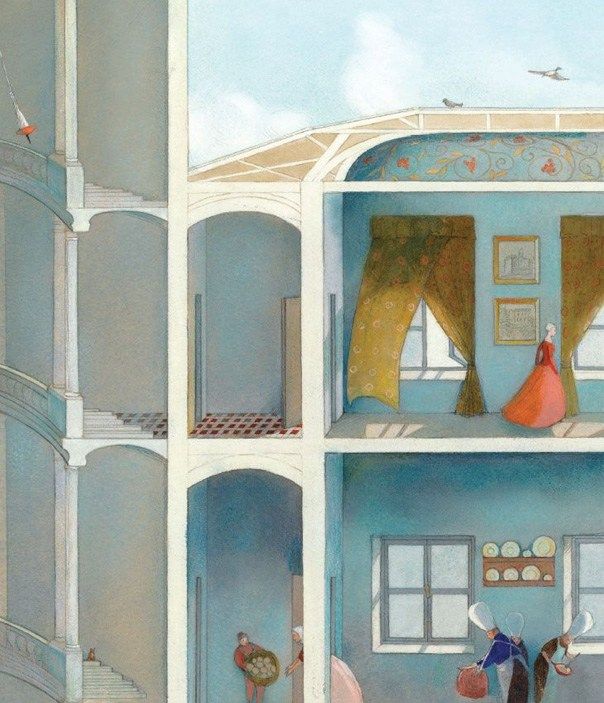
| Lisbeth Zwerger, Tales from the Brothers Grimm |
Two years have passed since posting regularly. Not writing has been a personal loss because writing tells me what I think, believe, know and
don't know. My fellow bloggers most likely share those startling moments when you're typing along like a madwoman and suddenly realize you don't know what you thought you did when you first started explaining yourself to your self. That's when a woman admits she needs to look around--if she's wise enough to know she didn't know what she believed she knew; and honest enough to admit what she believed to be true, wasn't. The path to personal integrity means
admitting what we don't want to know, and grounding ourselves in a reality we assumed only existed in the imagination of
Margaret Atwood.
We write things down in order to realize what we're hoping for and what we fear. Writing is a self-awareness technique that's true, and it's a grounding skill. Think of writing as if it were a reality push-pin when anxiety distorts perceptions and we're prone to escape. If your mind is wandering to better times past or utopias future, stick a pin in the moment by scribbling a fact that's undeniable. Something like, "My feet are hot beds of coal right now" or, "It's raining." Feeling your body and seeing the sky brings you back to the present moment, the only place any of us has power to change a thing. Like taking off our shoes and grabbing an umbrella.
I have learned through recovery work that it's useful to pay attention to anxiety and write things down
before lofting into a fool's paradise---an oft-visited place after discovering my best friend wasn't. The lousiest thing about that
fact is: I didn't vote for the guy. I married him and that's an inconvenient truth that's incontestable. Here's another
fact:
Trump IS our 45th President
Now you can call him Trump or whatever you choose but he'll always be 45 to me. The "tru" in his name sounds like trust and the "ump" sounds like triumph neither of which is comforting or true, even if we feel better by telling ourselves so. This past year has been unsettling and the temptation to escape hovers like a beast. I've been browsing science fiction novels in bookstores and even worse: the New Age section, godhelpme you know things are serious when that happens! The nightly news is stuck on permanent mute and dinner conversations center on asinine History Channel episodes we aren't ashamed to watch. The creepiest thing has been catching myself scanning Netflix queues for romance movies dontjudgeme. When I am willing to sacrifice my dignity for ninety minutes of paradise, it's time to write reality into existence and ground myself in the now. And so I do because writing has kept me sane, especially when I did not
want know what I
needed to know. Now this next sentence is gonna disgust me to have to write,
THO' I MUST, and it might make me pass out on my keyboard, however:
Trump IS our 45th President
Just seeing that sentence scares the livin' daylights out of me and I'd rather pretend to be a princess in a fairy tale where tragedy ends well and happy is forever. Fantasy Land beckons when people are uncertain or damn near terrified to death. I haven't visited Fantasy Land for ages, not since the last stay when my incredible psychic skills turned a rat bazturd into Captain Moroni. By the way, any human being of any nationality, in any country on earth, can transform a turd into a potato, in case you didn't know--in case you hadn't caught your *prestidigitatious self in the act of self-deception. I've come to grips with the fact that any woman can see a prince in a frog which means I'm not that special after all. All she has to do to is ignore what she doesn't want to see, and believe anything confirming what she does. A woman can live in a world like that for a
very long time so before you visit, word to the wise: make sure you have a proper visa for when you're ready to go home because:
Trump IS our 45th President
If you've been studying narcissism, you've probably made connections between your observations of 45 and *DSM criteria for a narcissistic personality. If you've read Dr. Simon's book
In Sheep's Clothing, you've likely concluded that indeed, character matters, even when observable traits don't add up to a mental illness or a personality disorder. We recognize untrustworthy people by the unethical things they do, the Machiavellian choices they make, the lies they tell over and over for no reason other than the joy of the con.
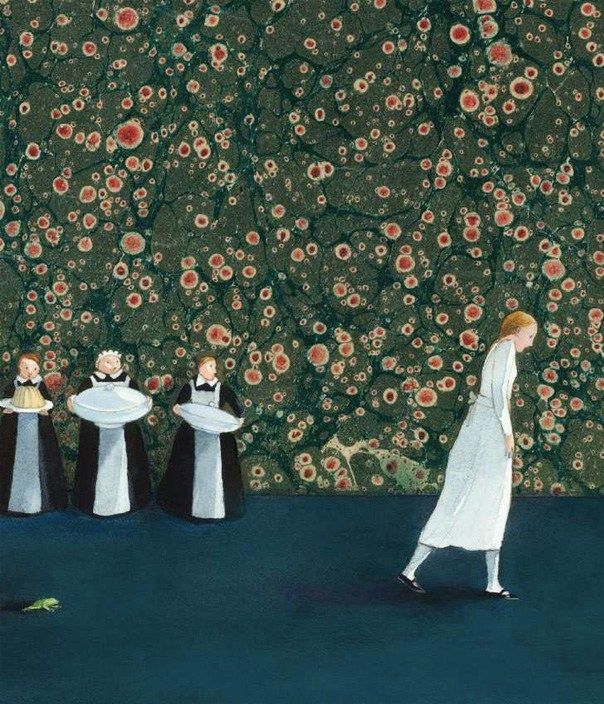 |
| Lisbeth Zwerger |
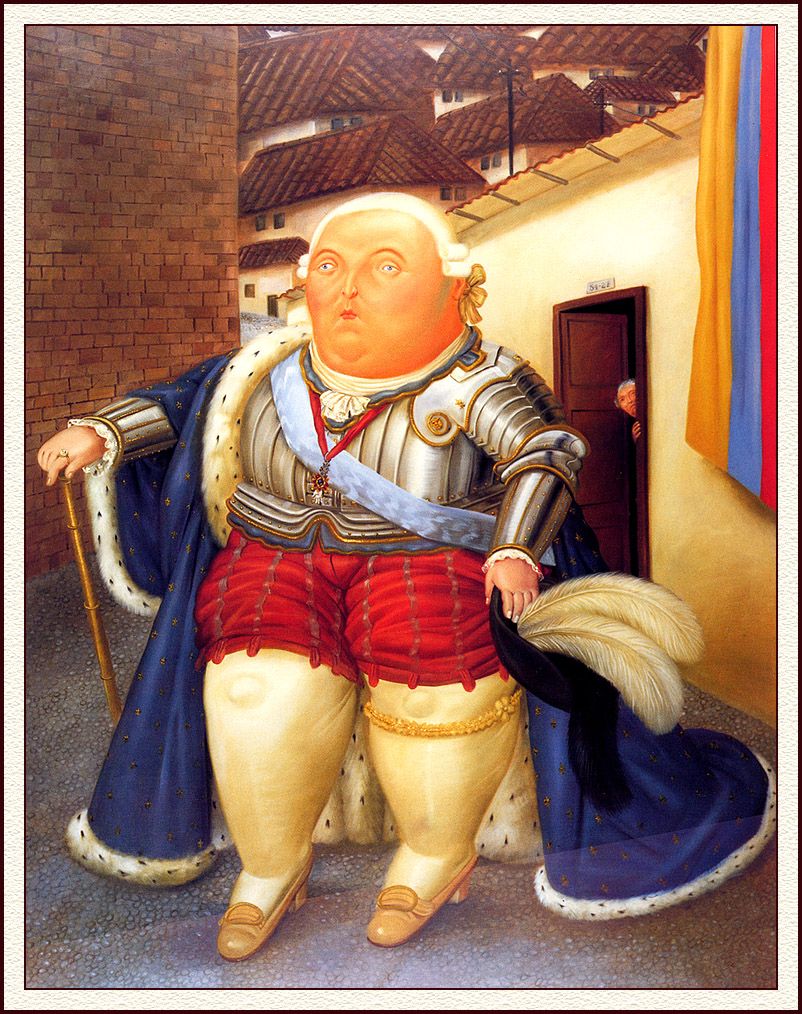
In the fall of 2016, something unbelievable happened. A bullfrog became a King-in-mar-a-lago. Some of us felt our anxiety rising. We know what it means when frogs and kings are
extremely self-centered,
extremely entitled,
extremely exploitative, and yikes vindictive. Narcissism is always
in the extremes and no one can argue the King's behavior hasn't been extreme. At some point, and it may not be a yuuge deal when it happens, the narcissist's defenses will break down and when they do, God help us if he has the power to grind underlings beneath his shoe.
Why Talk About Narcissism?
When a woman has suffered the cold disdain of a man who promised to take care of her and love her ('cuz only
he would do that; she's just that yucky), she never forgets. She warns everyone she can that it's wise to be vigilant when survival is tied to someone who can, on a whim, crush your life as if you were a disposable nobody. The truth is and some might call this a
fact: I may be nobody to
that somebody but I'm somebody to lots of nobodies and that's what matters most to me. As a consequence, many of us have spent hours and years of our lives, learning about narcissism. We've done this even after ending a relationship that broke our hearts. We continue learning,
not to cast blame on people with narcissistic personalities, we continue learning to protect ourselves from further harm. We study to end the misery and we study because contrary to allegations, we care about the narcissist. We seek understanding in order to heal because we love peace more than revenge.
We study to keep the reality push-pin firmly in the present because we know the exquisite pain of losing ourselves in fantasy. One narcissistic relationship oughta be the limit though hardly anyone's that lucky and if they are, they won't know it. Most of us will be born to, exposed to, work with, marry, and/or elect more than one narcissist in our lifetime which is why it's relevant to identify and understand
normal narcissism (Malkin) as well as pathological. There's a lot we can do to minimize subsequent misery but only if we admit that what we didn't want to see,
was. What we don't want to see,
is. That we didn't know someone's behavior was not within the bounds of normal and now we do.
Who then can forget being scolded, even by friends,
for not realizing something was wrong before a crisis shattered our lives. Were we gluttons for punishment? Were we too lazy to seek answers? Did we want to be hurt? And so we learn. But even then, even after gaining a reasonable understanding of the narcissistic personality and accepting things we didn't want to know about human beings we're told:
You SHOULDN'T diagnose Other People
Do you feel shamed for having done something so egregious, so w-r-o-n-g as saying 45 is a narcissist? Something you shouldn't have done, wagging forefingers scold. Neighbors, too. Add family to the list if your relatives believe 45 is God's mouthpiece and you shouldn't criticize Him. People are absolutely "
shoulding" all over themselves and they're
shoulding all over me, shaming people for utilizing what we've learned and applying this knowledge to a man with enough power to control other people's lives,
but not enough to control his own. A man with the will to destroy his enemies; i.e.: those who disagree. Some of us are frightened and justifiably so. We shout, "Check for rain!" because we have learned that nothin' nice comes from ignorance and nothin' good comes from self-deceit. There is no safety in denial my friends, not even when the multitudes are humming lyrics in biblical harmony.
 |
| Lisbeth Zwerger |
I recently read an article that felt like a scolding and that's what triggered me to write. The psychologist criticized "amateurs" because
people shouldn't diagnose other people. We should only diagnose someone if they're sitting in our clinic and even then we shouldn't share the diagnosis because privacy rights. We are free to diagnose our own narcissism though because anyone reading our opinion about someone else's narcissism, knows this to be an irrefutable way to out ourselves.
Question: Is narcissism a mental illness?
Answer: No.
Some psychologists are irritated that concerned citizens insist 45 has a mental illness because his behaviors exceed the normal parameters of common decency. It's important to remember however that narcissistic traits, even
extreme narcissistic traits, do not a mental illness make.
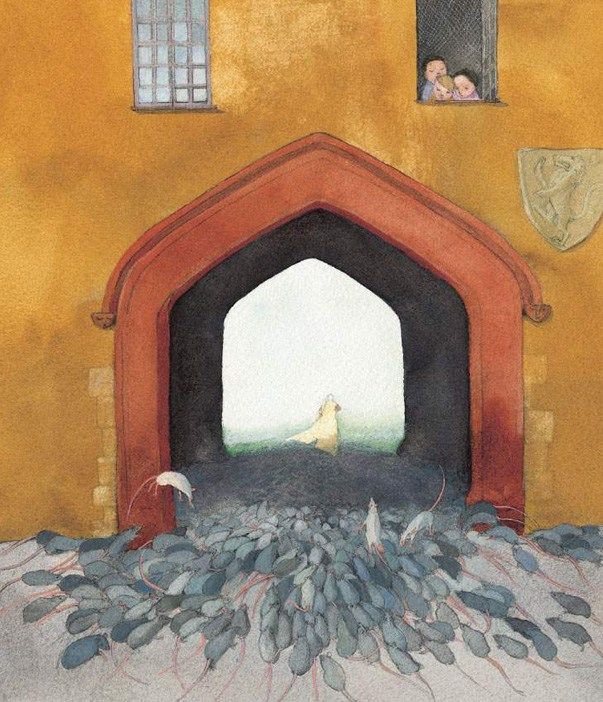
Even if every rat on this sinking ship agreed 100% that 45 was
a narcissist, being a narcissist is not a mental illness. Acting like
a brute is not a mental illness. You can be
a jerk and a
royal asshat and it's not a mental illness. You can leave your wife and cheat your boss and forget your kids and it's still not a mental illness. (some call it male privilege but that's another tangent dontflameme). The only degree of narcissism considered to be a mental illness is NPD, the Narcissistic Personality Disorder. Any degree of narcissism short of a NPD
is not a mental illness.
Fact Alert: People who are close to the narcissist might develop a mental illness (ptsd, depression, anxiety, for example). It's important to know that while
narcissism is not a mental illness, narcissists are frequently diagnosed with mental disorders "...such as depression and bipolar disorder, with consequent increases in risk of suicide, alcohol and substance abuse, and eating disorders...As these persons get older, mood disorders can worsen because of dissatisfaction with their personal and professional lives." (Dimaggio)
All of which goes to say students-of-narcissism can suggest without shame or hesitation that in our learned opinion, 45 is
a narcissist and this does not imply he's mentally ill. And there's another reason why you can't diagnose someone with a NPD. Why not? Because you're not a clinician and you're not creating a plan requiring an accurate diagnosis for proper treatment and insurance billing. So for whatever it's worth:
you aren't diagnosing other people. You're offering an opinion. You're putting your knowledge to work. You're observing behaviors and connecting your observations to what we know about the narcissistic personality. As Dr. Craig Malkin reiterates,
"Being a narcissist is not a diagnosis. It never has been."
If you aren't a clinical psychologist and you don't have a pot worth suing to piss in, you're free to say whatever you believe about 45. You're free to say you think I'm a narcissist and it'll be your constitutional right to say so---even if you make me cry. (I'm joking about crying under the scrutiny of opinion and if a simple woman like myself can toughen up, so can 45). I don't think anyone needs to protect 45 by scolding people for questioning his behavior. If I were teaching Narcissism101, he'd be my premier role model. I'd ask my students to:
1) make a list of 45's behaviors that are identifiable as narcissistic traits;
2) check in with yourself. Do you feel as though your soul has been kidnapped and dropped in a hellhole of perpetual horror? If you're disoriented and the nightly news makes your knees buckle, please count your misery as additional criteria.
Here's a fact about my readers and myself: we don't
just have opinions about narcissism, as shallow as opinions can be. We have
informed opinions based on first person experiences ouch and extensive studies whew. What's the point of identifying and understanding the narcissistic personality if we
shouldn't draw conclusions based on our observations and express
realistic concerns for the wholedamnworld's welfare?
Resisting the Urge to Escape:
Staying in Present Time When Present Time Sucks
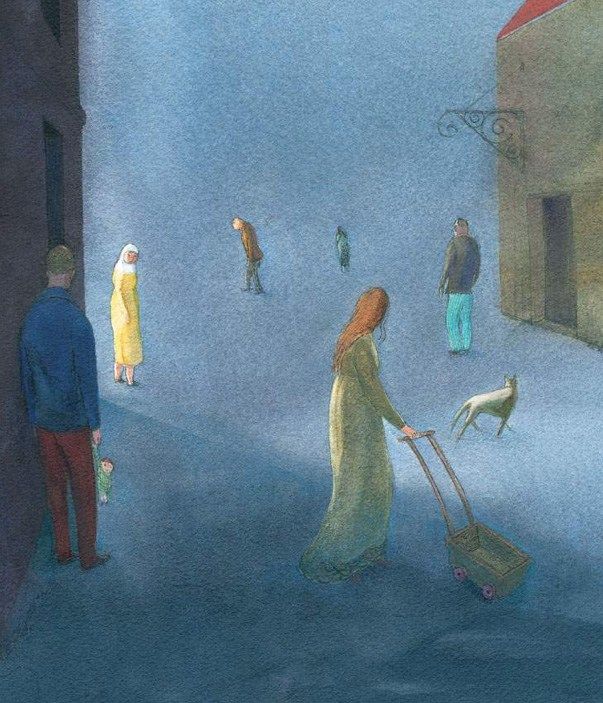
Ground yourself in reality,
what is, not what you wish it to be. Apply what you've learned about narcissists by protecting yourself emotionally and financially. In other words: prepare for the worst and hope for the best. Take action. Focus on those who have power over your life. Do not blindly trust politicians nor expect magical transformations---the transformation you hoped would have happened to the narcissist, yet never did. You know what I'm talking about: Malignant Optimism. Magical Thinking. Fantasy Land. That fairy tale place where princesses meet frogs and divorce thirty years later.
Understand your reactions to narcissistic personalities. Make sure you aren't falling into self-destructive patterns because you're anxious and afraid. Avoid irrationality, like 45 encouraging you to take a leap of faith---wha'dya have to lose---insisting you can't trust anyone but him. Trust yourself! And remember that everyone prays for a rescuer when the
fact of the matter is: you rescue yourself first and help others rescue themselves later and on and on true empowerment goes. When someone promises to save you and nobody can but him, well...alls I can say is that thousands of people heard that line and now they're studying narcissism. So don't be shy about sharing what you've learned and what you've observed because this is the way we build safe societies...one honest conversation at a time. We talk to each another. We speculate. We tell one another when someone's headed over a cliff and that includes being warned about ourselves.
 |
| Lisbeth Zwerger |
If 45's authoritarian style is
silencing for you, resist! If you're afraid to break the
No Talk Rule, talk to your diary. Not Talking is a rule that
should be broken. We can build healthy connections by sharing what we know about narcissism so don't isolate. Tell yourself, "This is what I see today" and write it down. Find a listening ear. Talk things over with people who can tolerate your gnarly opinions and accept the fact that you don't know what you hope to know in the future but you're willing to learn from your mistakes today. Don't scare your neighbors into building bomb shelters stockpiled with ammunition. There are better ways to stay grounded
on top of your lawn, rather than hiding underneath it.
Resist
Resist the urge to deny, rationalize or excuse presidential abuses. Resist the temptation to diminish narcissism as irrelevant, pretending anything short of a NPD won't be caustic for democracy. It will be. When self-interest is rigidly ingrained, that's toxic narcissism and it's ruinous for partnerships, families, communities and countries.
Be Kind
If you sincerely want to resist 45's influence,
persist in being kind. Be kind to the people you love; be kind to those you don't; be kind to yourself. It's not your fault people didn't know they were voting for
a narcissist. And even if they did, they rationalized the potential for harm. We've had narcissistic leaders before, people tell themselves, why is 45 any different? Where shall we start my friends? How about discussing people's fear of saying anything bad about 45? Would that be a good place to start?
Hope
I believe we can create a healthier society now that we're talking about narcissism. Undoubtedly, some psychologists will resent laypeople grappling with psychological information. Undoubtedly, some armchair psychologists will use this information to discredit and harm people. Psychologists have, right? But you and I know that people (including ourselves) have judged-and-labeled one another in cruel and malicious ways long before libraries stocked copies of the DSM. Being told we shouldn't talk about narcissism will not stop the labeling, nor will it end the stigma of mental illness.
My preference for eliminating stigmas is broadening human understanding through open discussions. Silencing fosters attacks on one another's humanity through ignorant judgments and pejoratives, the
lack of understanding.
I believe we're making a difference, you and me and everyone writing about narcissistic relationships and narcissistic traits and narcissistic personality disorders. Sure, it can seem as though every disgruntled person on the planet is diagnosing everyone else as a self-centered narcissist; this is part of the learning process. We are moving towards a more accurate knowledge of healthy-to-pathological narcissism and we'll get it right if we persist in wrangling with proper application, even when we're told we
shouldn't. People are talking about narcissism now. Don't stop. Not even if you're "diagnosing" 45.
Hugs all,
CZ
"We have been socialized to respect fear more than our own needs for language and definition, and while we wait in silence for that final luxury of fearlessness, the weight of that silence will choke us.” ~Audrey Lorde
Resources
Prestidigitatious. This is not a word. 😉
DSM is an abbreviation for the
Diagnostical and Statistical Manual of Mental Disorders, first published in 1952.
Dimaggio, Giancarlo.
Narcissistic Personality Disorder: Rethinking What We Know
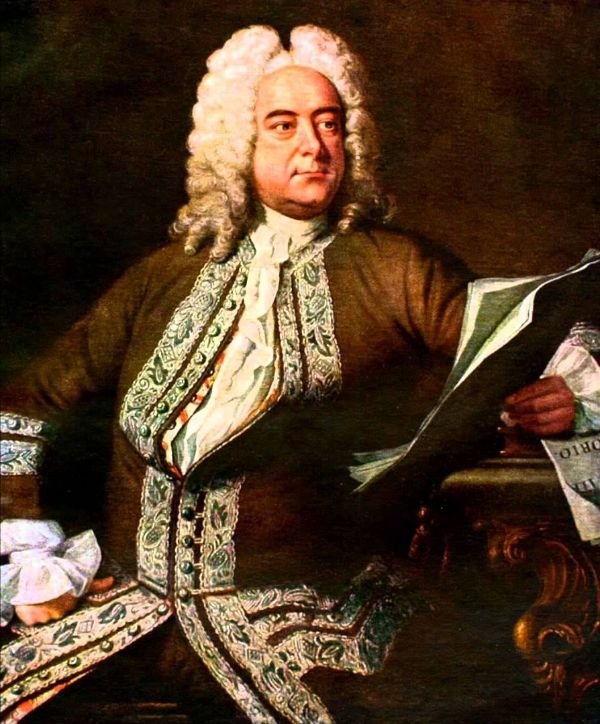
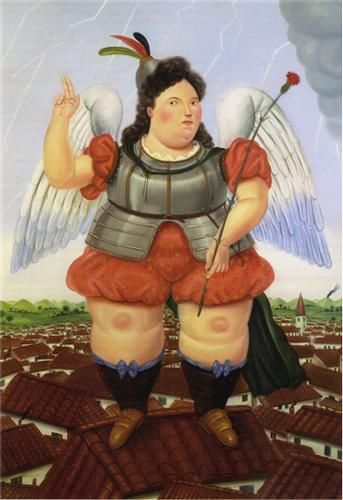
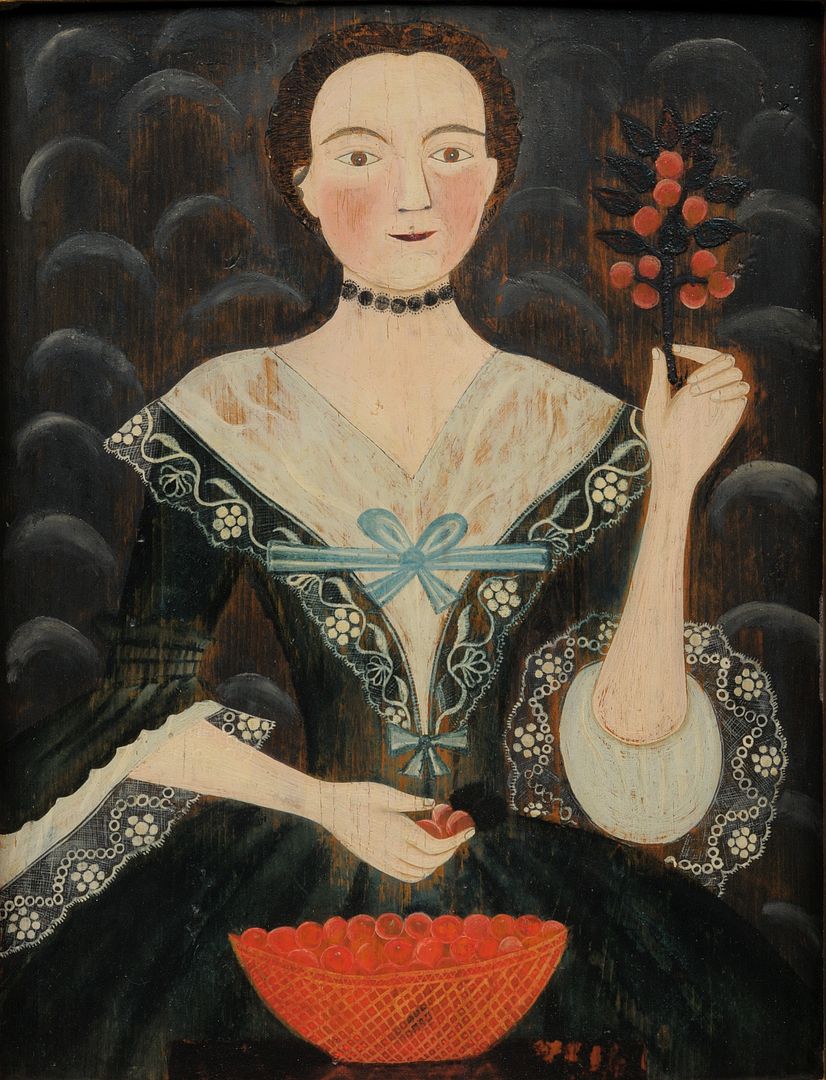
Illustrations by the amazing Lisbeth Zwerger.
"Lisbeth Zwerger is one of the most honored illustrators alive today. She has been recipient of virtually every recognition an illustrator can be given including the most prestigious of all, The Hans Christian Andersen Medal as well as special recognition at the Bologna Children's Book Fair. Her Noah's Ark, Little Red Cap and The Wizard of Oz were all selected by The New York Times as a "Best Illustrated Books of the Year."" ~Link